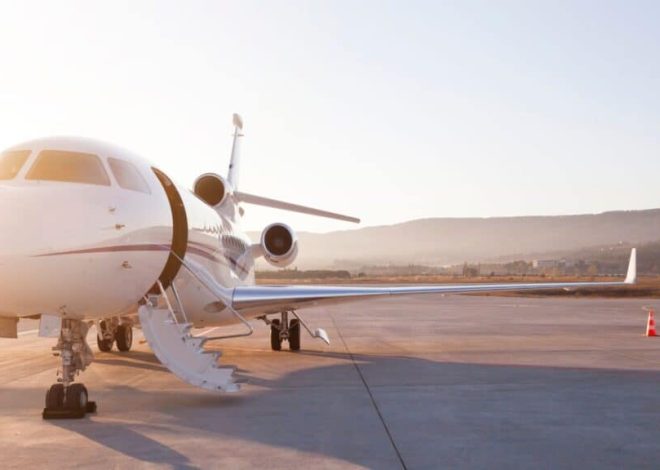
The Hidden Costs of Private Jet Ownership: Why Even Frugal Billionaires Splurge
Even the most frugal billionaires, like Warren Buffett, have a soft spot reserved for their private jets. While it may seem counterintuitive for someone known for his penny-pinching habits to own a luxury aircraft, the allure of private jet travel is undeniable. From the convenience of avoiding crowded airports to the privacy and comfort it offers, owning a private jet can be a game-changer for high-net-worth individuals. However, the costs associated with private jet ownership are far from trivial. For many, the decision between buying, chartering, or using a jet card program is a complex one that involves weighing financial, logistical, and personal considerations.
The High Price of Private Jets
The initial cost of purchasing a private jet is just the beginning. According to Jamie Walker, executive chairman of Jet Linx, some of the most popular models—such as the Bombardier Challenger 300 and 350, the Embraer Phenom 300, the Cessna Citation XLS+, and the Gulfstream G550—can range from $9.5 million to $33 million when bought new. Even used models often list for eight figures. But the real expenses start after the purchase.
Customization is where things get expensive. Paris Hilton’s “SlivAir,” a Gulfstream G450 with a Barbie pink paint job and “That’s Hot” written on a wing, is an example of how personal touches can add significant value. Custom interiors, premium woodwork, Hermès leather seats, and advanced technology like Starlink WiFi can push the price well beyond the base model. Interior upgrades alone can start at around $65,000, while high-end features might exceed $1 million.
Ongoing Operational Expenses
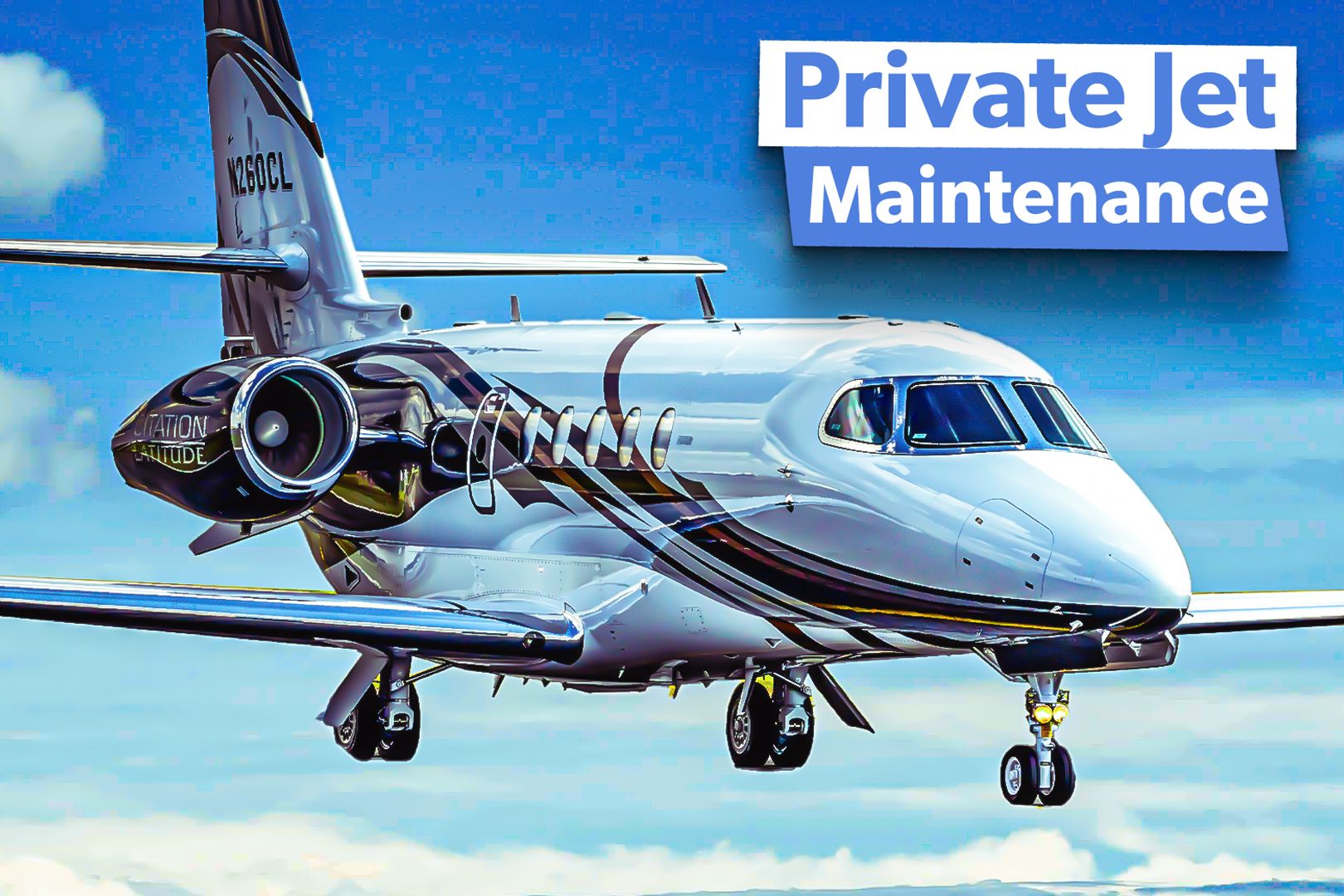
Once a jet is delivered, the costs of operating it begin to accumulate. Leona Qi, president of the US division of charter firm VistaJet, estimates that running a single jet can cost more than $1 million annually. This includes salaries for pilots and crew, which can range from $150,000 to $400,000 per year, along with certification, training, and insurance. Maintenance is another major expense. Scheduled maintenance is similar to a car’s, but unexpected repairs can be costly. An engine overhaul, for instance, can cost up to $1.5 million per engine.
Additionally, hangar storage fees vary by location. In cities like New York or Miami, a parking spot can cost as much as $450,000 annually, compared to smaller cities like Omaha or St. Louis. Fuel typically makes up about one-third of all ownership costs, and many owners hire management companies to handle the day-to-day operations. Jet Linx charges between $7,000 and $12,000 a month for its services.
Chartering vs. Owning: The Multimillion-Dollar Decision
For those who don’t fly frequently, the costs of ownership can quickly outweigh the benefits. That’s why many ultra-wealthy individuals opt for chartering instead. According to Qi, chartering makes financial sense only if you fly more than 350 hours a year, need complete customization, or require immediate access. Charter companies like VistaJet offer flexible options, such as buying flying hours or fractional ownership through firms like NetJets.
Privacy is another key factor. Privately owned jets can be tracked by the public, while charter jets are more discreet. LVMH CEO Bernard Arnault, for example, sold his company’s jet to maintain privacy, stating that renting planes allows him to travel without revealing his whereabouts.
Some owners also use their jets infrequently and choose to charter them out to offset costs. This practice is similar to how superyacht owners rent out their vessels when not in use.
The Frugal Billionaire Dilemma
Warren Buffett is a prime example of how even the most frugal billionaires can succumb to the temptation of private jet ownership. Despite resisting the idea for years, once he splurged, there was no looking back. In a 1990 investor letter, he humorously noted that Berkshire Hathaway’s earnings would increase by $1 million annually if his corporate jet were sold, highlighting the financial burden of ownership.
Choosing Between Buying and Chartering
When considering private jet travel, the decision between buying and chartering depends on several factors:
- Frequency of Use: Owning a jet is ideal for frequent flyers, while chartering suits occasional travelers.
- Cost: Buying requires a substantial upfront investment and ongoing expenses, while chartering offers flexibility without long-term commitments.
- Depreciation: Private jets depreciate over time, impacting resale value. Chartering avoids this issue.
- Maintenance and Operating Costs: Owners are responsible for all maintenance, while charter companies handle these responsibilities.
Conclusion
Private jet ownership is a luxury that comes with significant financial and logistical challenges. While it offers unparalleled convenience, privacy, and customization, the costs can be staggering. For many, especially those who don’t fly frequently, chartering or using a jet card program provides a more practical and cost-effective solution. Whether you choose to buy, charter, or use a hybrid approach, understanding the full scope of private jet costs is essential for making an informed decision. As the saying goes, “It’s great to have a private jet,” but as Oprah Winfrey wisely noted, “Anyone that tells you that having your own private jet isn’t great is lying to you.”
Source Code & Aset Tersedia
File konfigurasi & database tutorial ini dapat diunduh langsung secara gratis.