
Top 5 eLearning Platforms for Corporate Training in 2025: A Comprehensive Guide
In today’s fast-paced corporate environment, the need for efficient and effective employee training has never been more critical. With the rise of remote work and global teams, businesses are turning to eLearning platforms to streamline their training processes. These platforms offer a range of features that cater to different organizational needs, from rapid course creation to advanced reporting and social learning capabilities. In this article, we’ll explore the top five eLearning platforms for 2025, their key features, pricing, and how they can benefit your organization.
What Is an eLearning Platform?
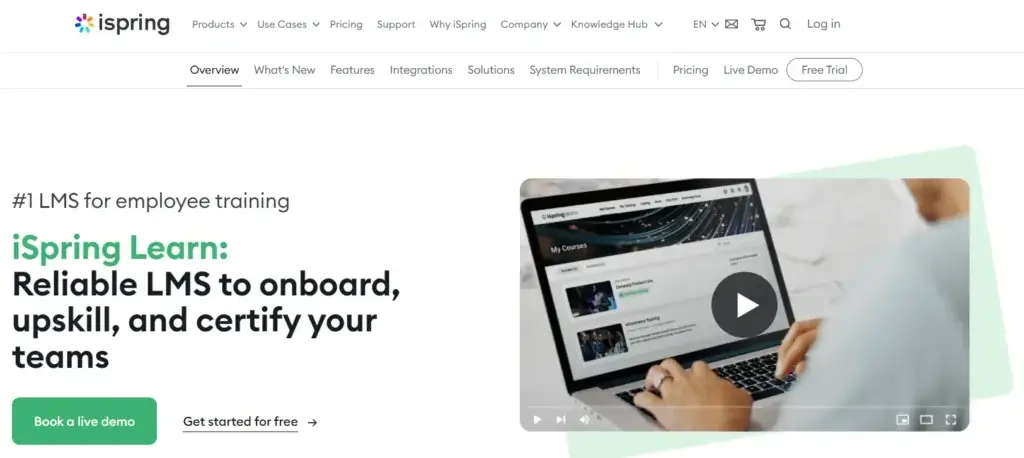
An eLearning platform is a digital tool designed to deliver educational content and manage training programs online. It serves as a centralized hub where learners can access courses, track progress, and interact with instructors and peers. These platforms come in various forms, from simple Learning Management Systems (LMS) to complex solutions that support blended learning, social interaction, and AI-driven personalization.
For businesses, eLearning platforms automate repetitive tasks such as grading, tracking, and reporting, allowing HR and training teams to focus on strategic initiatives. Employees, on the other hand, benefit from the flexibility of learning anytime, anywhere, even on their smartphones.
Top eLearning Platforms: Comparison Overview
To help you make an informed decision, here’s a quick comparison of the top five eLearning platforms based on their features, user ratings, and pricing:
- iSpring Learn
- Type: Cloud-based LMS
- Best For: Rapid course creation, blended learning
- User Ratings: G2: 4.6 | Capterra: 4.7
-
Pricing: Starts at $3.70 per user/month
-
TalentLMS
- Type: Intuitive LMS
- Best For: Employee and customer training, eCommerce integration
- User Ratings: G2: 4.6 | Capterra: 4.7
-
Pricing: Starts at $109/user/month
-
Docebo
- Type: Social and informal learning LMS
- Best For: Collaborative learning, enterprise organizations
- User Ratings: G2: 4.3 | Capterra: 4.4
-
Pricing: Upon request
-
Adobe Learning Manager
- Type: Multilingual and partner training LMS
- Best For: Enterprises with compliance and certification needs
- User Ratings: G2: 4 | Capterra: 4.3
-
Pricing: Starts at around $4 per learner per month
-
Litmos
- Type: CRM/HR integrated LMS
- Best For: Organizations looking to integrate training with existing systems
- User Ratings: G2: 4.3 | Capterra: 4.2
- Pricing: Upon request
How We Tested and Compared the Top eLearning Platforms
To ensure a fair evaluation, we conducted hands-on testing of each platform, reviewed user feedback, and analyzed key features such as course creation tools, reporting capabilities, and integration options. Here’s a breakdown of our evaluation criteria:
- Free Trials: We tested free trials to assess setup ease, user experience, and overall intuitiveness.
- User Reviews: We analyzed reviews on platforms like G2, Capterra, and Trustpilot to understand real-world experiences.
- Key Features: We focused on built-in authoring tools, delivery methods, reporting, user management, and social learning features.
- Pricing: We compared pricing models, including per-user costs, additional fees, and available plans.
The 5 Best eLearning Platforms in 2025: A Deep Dive
1. iSpring Learn
Why It Stands Out:
iSpring Learn is ideal for businesses looking for a scalable and user-friendly LMS. It offers a powerful authoring tool, iSpring Suite, which allows users to create interactive courses without needing external software. The platform also supports mobile learning, making it perfect for global teams.
Key Features:
– Built-in authoring tool for creating interactive courses
– Robust reporting engine with a visual dashboard
– Native mobile app for offline learning
– Development Plans for individual skill development
– 24/7 technical support
Limitations:
– Limited AI capabilities
– No xAPI or LTI support
Best For: Small to medium-sized businesses that need a flexible and easy-to-use platform.
2. TalentLMS
Why It Stands Out:
TalentLMS is known for its intuitive interface and cost-effective pricing. It’s particularly suited for companies that want to sell online courses or train multiple audiences.
Key Features:
– Multi-tenancy for separate training environments
– eCommerce integration for selling courses
– Robust integrations with third-party tools
– Scheduled reports for tracking progress
Limitations:
– Basic reporting tools
– Some advanced features are only available in higher-tier plans
Best For: Businesses looking for a budget-friendly LMS with strong integration capabilities.
3. Docebo
Why It Stands Out:
Docebo excels in social and informal learning, making it a great choice for collaborative teams. Its AI-powered content tagging and marketplace of ready-made courses add value for organizations looking to promote knowledge sharing.
Key Features:
– AI-driven content tagging
– Marketplace for pre-built courses
– Coach & Share module for peer-to-peer learning
– Multi-language support
Limitations:
– Complex interface requiring customization
– Additional fees for core features
Best For: Enterprise organizations that prioritize collaborative learning and knowledge retention.
4. Adobe Learning Manager
Why It Stands Out:
Adobe Learning Manager is ideal for enterprises with multilingual training needs and strict compliance requirements. It offers advanced reporting and social learning features that support large-scale training initiatives.
Key Features:
– Advanced social learning capabilities
– Skill management system
– Multi-language support
– Integration with external partners
Limitations:
– No built-in authoring tools
– Limited branding options
Best For: Companies with compliance, certification, or partner enablement needs.
5. Litmos
Why It Stands Out:
Litmos combines an LMS with a robust course library, making it a good choice for businesses that want to integrate training with CRM and HR systems. Its multi-brand portal feature allows for personalized learning experiences.
Key Features:
– Video assessments with AI analysis
– Multi-brand portal for customized learning
– Automation Bundle for enrollment and certification
– Litmos Heroes course library
Limitations:
– Limited customization for user roles
– Advanced features require higher-tier plans
Best For: Organizations that need to integrate training with existing systems and scale across distributed teams.
Conclusion
Choosing the right eLearning platform is crucial for the success of any corporate training program. Each of the top five platforms offers unique features that cater to different business needs. Whether you’re looking for a budget-friendly solution, advanced reporting capabilities, or social learning features, there’s a platform that fits your requirements. By evaluating your organization’s specific needs and testing a few options, you can find the perfect eLearning platform to drive employee growth and productivity.
Source Code & Aset Tersedia
File konfigurasi & database tutorial ini dapat diunduh langsung secara gratis.


