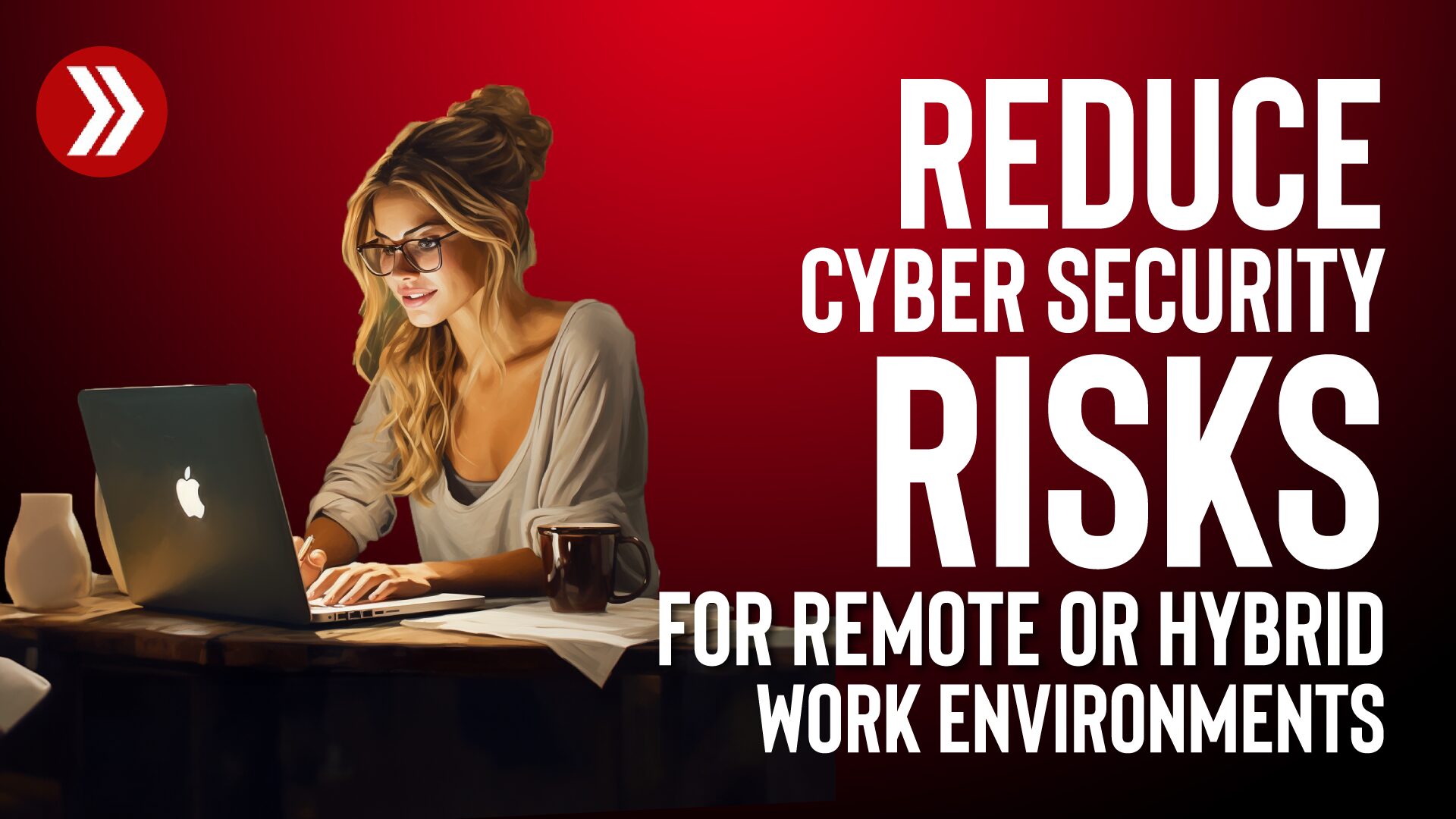
The Cybersecurity Challenges of Remote and Hybrid Work Environments
In the wake of the global shift toward remote and hybrid work, organizations have found themselves navigating a complex landscape of cybersecurity challenges. While flexible work environments offer numerous benefits, such as improved work-life balance and access to a global talent pool, they also introduce significant security risks. According to Gallup, 52% of U.S. employees now work in hybrid settings, while 27% work fully remotely. However, this transition has not come without consequences. A recent report by Armis highlights that 74% of IT decision-makers believe AI-powered attacks are a major threat to their organization’s security. With the rise of remote work, the attack surface has expanded, and cyber threats have become more sophisticated than ever.
This article explores the key cybersecurity risks associated with remote and hybrid work, the challenges faced by IT teams, and the strategies organizations can adopt to protect their data and infrastructure. From phishing attacks to unsecured networks, the dangers are real, and the need for robust security measures is more pressing than ever.
The Rise of Cyber Threats in Remote Work
As more employees work outside traditional office settings, the number of potential entry points for cyberattacks has increased dramatically. This expansion of the attack surface means that IT teams must now secure a wide array of devices, networks, and applications. According to Kumar Avijit of Everest Group, “That also adds to the complexity of what [teams] must secure.”
One of the most prominent risks is phishing, which remains the leading cause of security breaches. Attackers use social engineering tactics to trick employees into revealing sensitive information or downloading malicious software. Remote workers, who may be more distracted or less likely to verify the authenticity of emails, are particularly vulnerable. Additionally, the use of unsecured Wi-Fi networks poses a serious threat. Public and home networks often lack the same level of protection as corporate systems, making it easier for hackers to intercept data.
Another growing concern is the use of personal devices (BYOD) for work purposes. Many employees use smartphones, laptops, and tablets that may not meet the same security standards as company-issued devices. Without proper encryption and regular updates, these devices can become easy targets for cybercriminals.
Key Cybersecurity Risks in Remote Work

- Expanded Attack Surface
-
With more endpoints and devices, the attack surface becomes larger. IT teams must manage a growing number of devices, connections, and applications, increasing the workload and risk of vulnerabilities.
-
Data Breach Risks
-
Remote work increases the likelihood of data leaks, especially when employees handle sensitive information on personal devices or unsecured networks. Even with strong policies in place, the lack of direct oversight makes it harder to prevent accidental or intentional data exposure.
-
Compliance Challenges
-
Remote work complicates compliance with data privacy regulations such as GDPR and CCPA. Employees may inadvertently violate rules by accessing or transferring data from unauthorized locations.
-
AI-Powered Attacks
-
Cybercriminals are leveraging artificial intelligence to automate and enhance their attacks. This includes generating convincing phishing emails, impersonating colleagues, and launching faster, more targeted campaigns.
-
Unsecured Networks
-
Public Wi-Fi and poorly configured home networks expose employees to man-in-the-middle attacks, where hackers intercept data transmitted between the user and the company network.
-
Malware and Ransomware
-
Remote workers are more susceptible to malware and ransomware attacks due to weaker endpoint protection and less frequent software updates.
-
Shadow IT
-
Employees often use unauthorized tools or services to complete tasks, bypassing security protocols and creating vulnerabilities in the network.
-
Insider Threats
-
Remote work can increase the risk of insider threats, whether through negligence or malicious intent. Without close supervision, employees may mishandle sensitive data or access systems improperly.
-
Device Theft
-
Stolen laptops or mobile devices can lead to data breaches if they are not properly encrypted or secured.
-
Cloud Security Vulnerabilities
- Cloud storage and collaboration tools are widely used in remote work, but misconfigured access controls and insecure links can expose sensitive data to unauthorized users.
Mitigating Remote Work Security Risks
To combat these threats, organizations must implement a comprehensive approach to remote work security. Here are some effective strategies:
- Implement Multi-Factor Authentication (MFA): MFA adds an extra layer of security, making it significantly harder for attackers to gain access even if credentials are compromised.
- Use Virtual Private Networks (VPNs): Encourage the use of company-approved VPNs to encrypt data traffic and protect against eavesdropping on public networks.
- Enforce Regular Software Updates: Ensure all devices and applications are up-to-date with the latest security patches to reduce vulnerabilities.
- Conduct Security Awareness Training: Educate employees on how to recognize and respond to cyber threats, including phishing scams and social engineering attacks.
- Adopt Zero Trust Principles: Implement a zero-trust model that verifies every user and device before granting access, regardless of location.
- Secure Endpoint Devices: Use endpoint detection and response (EDR) tools to monitor and protect devices in real-time, detecting and responding to threats quickly.
- Limit Access to Sensitive Data: Apply role-based access controls to ensure employees only have access to the data they need for their job functions.
Conclusion
The shift to remote and hybrid work has transformed the way businesses operate, but it has also introduced new cybersecurity challenges. From expanded attack surfaces to AI-driven threats, the risks are real and evolving. Organizations must remain vigilant, adopting robust security measures and fostering a culture of awareness among employees.
By implementing advanced technologies, enforcing strict policies, and investing in employee training, companies can better protect their data and infrastructure. As the future of work continues to evolve, so too must the strategies for securing it.
For organizations looking to strengthen their remote work security, solutions like SentinelOne’s Singularity™ Platform offer real-time threat detection, machine-speed response, and comprehensive visibility across all endpoints and cloud environments. With the right tools and strategies in place, businesses can navigate the complexities of remote work while maintaining a strong security posture.
Source Code & Aset Tersedia
File konfigurasi & database tutorial ini dapat diunduh langsung secara gratis.


