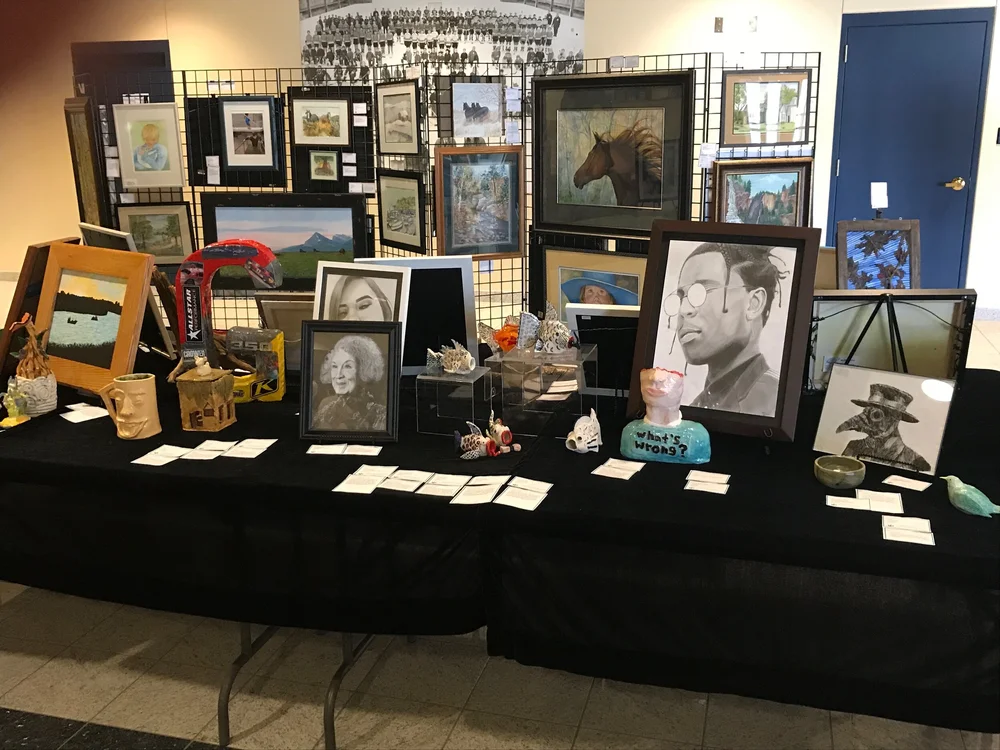
The Art of Collecting: A Deep Dive into the World of Art Purchases and Sales
Art has always held a unique place in human culture, serving as both a reflection of society and a medium for personal expression. From ancient cave paintings to modern digital installations, art has evolved alongside humanity, capturing moments, emotions, and ideas that transcend time. But what does it mean to buy or sell a piece of art? This question is at the heart of the latest exhibition at SooVAC, Collect Call 4, which showcases the diverse perspectives of collectors and artists who have dedicated their lives to this intricate world.
The Personal Journey of Collecting
For many collectors, the act of buying art is deeply personal. It’s not just about acquiring an object; it’s about forming a relationship with the artist and the work itself. Tom Arneson, a long-time collector, describes his journey as one of passion and curiosity. He began by collecting functional art, such as pottery and textiles, but over time, his interests expanded to include visual art. “I like to be surrounded by things that I find beautiful and make an emotional connection with me,” he explains. His collection now spans from emerging local artists to internationally recognized names, reflecting his belief that art should be accessible and celebrated.
Another collector, Mark Addicks and Tom Hoch, emphasize the importance of a lifelong bond with an artist. They view the purchase of art as a commitment to a relationship that can evolve over time. “Buying art is choosing to have a life-long relationship with an artist and a particular piece of work,” they say. For them, great art has the power to grow with the viewer, revealing new meanings with each encounter.
Kathryn Hanna, another collector, shares her story of discovering art through her friendships with artists. Growing up in a small town, she had limited exposure to the art world. However, her friendship with artist Jerry Ott sparked her interest in collecting. “I really enjoy being surrounded by and looking at art in all its forms,” she says. Her collection reflects her appreciation for variety and color, and she believes that supporting the arts is essential for the vitality of communities.

The Artist’s Perspective
While collectors see art as a form of investment and personal enrichment, artists often view the sale of their work as a validation of their craft. Terrence Payne, an artist, sees selling art as a way to release the anxieties that build up during the creative process. “When a piece of art sells, all of that doubt magically disappears,” he says. The sale not only provides financial support but also reinforces the artist’s confidence in their work.
Brad Thomas, another artist, recalls his first sale as a pivotal moment in his career. Receiving $300 for a sculpture was more than just a financial gain; it was a sign that his work was valued. “The most important way to honor that is to pay it forward,” he says. He emphasizes the importance of supporting fellow artists and sharing opportunities, believing that the art community thrives on collaboration and mutual respect.
J. Wren Supak, an artist represented by AS | Artist Projects NYC/Paris, views the sale of art as a form of validation and material support. “It means validation, i.e., encouragement, support, belief,” he says. However, he also acknowledges the bittersweet nature of letting go of his work. “I feel sad to see it go but gratified that when I am no longer around, my work will be.” For him, the sale of a piece is not just a transaction but a continuation of the artwork’s life beyond the studio.
The Broader Impact of Art Collecting
Beyond individual experiences, art collecting plays a crucial role in the broader cultural landscape. It supports artists, fosters community engagement, and preserves artistic heritage. As Tom Arneson notes, “Great wealth is not required; passion and curiosity are the necessities.” This sentiment resonates with many collectors who believe that art should be accessible to all, not just the wealthy elite.
Moreover, the rise of online platforms like Art Brokerage and Artplode has made it easier for both buyers and sellers to connect. These platforms offer a transparent and commission-free environment, allowing artists to showcase their work and collectors to discover new talent. With millions of artworks listed and a global audience, these sites are reshaping the way we buy and sell art.
Conclusion
The world of art collecting and sales is as diverse as the art itself. From the personal journeys of collectors to the emotional experiences of artists, the act of buying or selling a piece of art is a complex and meaningful endeavor. Whether it’s a small sculpture, a vibrant painting, or an abstract installation, each work carries with it a story, a connection, and a legacy. As Collect Call 4 demonstrates, the value of art lies not just in its monetary worth but in the relationships it fosters and the lives it touches.
Source Code & Aset Tersedia
Script dan database dari tutorial ini dapat diunduh secara gratis.


