Blockchain Technology: Revolutionizing Food Supply Chains and Enhancing Global Transparency
Blockchain technology, once primarily associated with cryptocurrencies like Bitcoin, is now emerging as a transformative force in various industries, including food supply chains. Its potential to provide transparency, traceability, and security across complex networks makes it an ideal solution for addressing the challenges faced by modern food systems. From improving food safety to reducing waste and ensuring fair compensation for producers, blockchain is poised to redefine how we manage and access food globally.
The Challenges of Traditional Food Supply Chains
Traditional food supply chains are plagued by inefficiencies that can have serious consequences. A lack of communication between suppliers, manufacturers, and retailers often leads to delays, mismanagement, and poor quality control. In fact, 45% of supply chain leaders only have visibility to their first-tier suppliers or no visibility at all, making it difficult to anticipate disruptions or track products in real time. This opacity not only hampers efficiency but also increases the risk of food contamination, which affects millions of people worldwide.
Additionally, the absence of secure data-sharing mechanisms leaves sensitive information vulnerable to breaches. Centralized systems are particularly susceptible to cyberattacks, with 56% of cybersecurity incidents occurring within supply chains. These vulnerabilities threaten both the integrity of the supply chain and the trust of consumers.
How Blockchain Addresses These Issues
Blockchain technology offers a robust solution to these challenges. By creating an immutable digital ledger that records every transaction and movement of goods, blockchain ensures that all parties involved in the supply chain have access to accurate and up-to-date information. This level of transparency enables faster identification of issues, such as contamination or delays, and allows for quicker resolution.
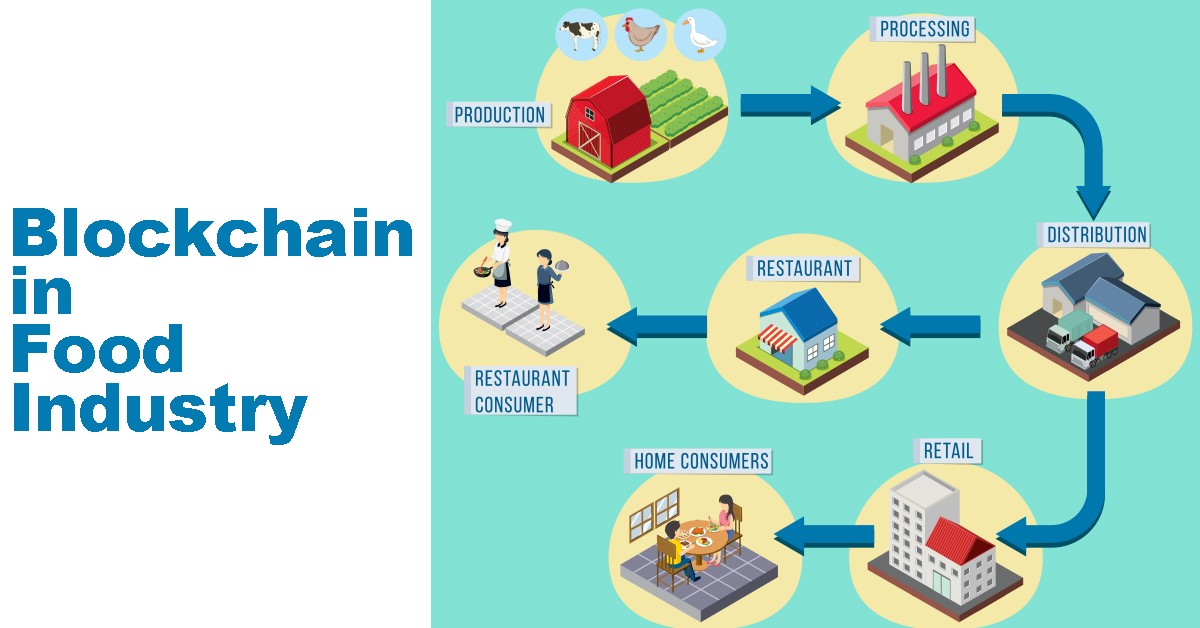
For example, Silal Fresh, a company in the agritech sector, implemented a blockchain-based system to enhance its supply chain management. By integrating blockchain into their operations, they were able to track each product from farm to table, allowing consumers to scan a QR code and view the journey of their produce. This not only improved customer trust but also increased satisfaction and brand loyalty.
Key Benefits of Blockchain in Food Supply Chains
- Enhanced Traceability: Every step of the supply chain is recorded on the blockchain, providing a clear and unalterable history of a product’s journey.
- Improved Security: The decentralized nature of blockchain reduces the risk of data breaches and unauthorized access.
- Increased Efficiency: Real-time tracking and automated processes streamline operations, reducing costs and minimizing waste.
- Better Communication: All stakeholders have access to the same information, fostering collaboration and transparency.
The Broader Impact of Blockchain on Communities
The benefits of blockchain extend beyond individual companies. Efficiently managed food supply chains can positively impact communities by ensuring that more food reaches those in need. With real-time tracking, food waste can be significantly reduced, as spoilage and overproduction become easier to monitor and mitigate. This not only conserves resources but also helps to address global hunger.
Moreover, blockchain can empower small-scale farmers by enabling them to receive fair compensation for their efforts. Through transparent and secure transactions, producers can gain better access to financing and market opportunities, ultimately improving their livelihoods.
The Future of Blockchain in Food Supply Chains
As more companies recognize the potential of blockchain, its adoption is expected to grow rapidly. According to a report by Settlemint, 86% of supply chain leaders believe blockchain offers a competitive advantage. This shift towards blockchain-driven solutions is driven by the need for greater transparency, efficiency, and sustainability in the food industry.
However, the implementation of blockchain is not without its challenges. Scalability, interoperability, and regulatory hurdles must be addressed to ensure widespread adoption. Despite these obstacles, the benefits of blockchain in food supply chains are undeniable, and its potential to transform the industry is immense.
Conclusion
Blockchain technology is more than just a buzzword; it is a powerful tool that can revolutionize food supply chains. By enhancing transparency, traceability, and security, blockchain has the potential to save lives, reduce waste, and improve the quality of life for communities around the globe. As the food industry continues to evolve, embracing blockchain will be essential for building a more sustainable and equitable future.