
Telehealth: Bridging the Gap Between Technology and Healthcare
In an era where technology is reshaping every aspect of our lives, it’s no surprise that healthcare is also undergoing a digital transformation. Telehealth has emerged as a powerful tool that leverages digital communication technologies to deliver health care services remotely. From virtual consultations to remote monitoring, telehealth is redefining how we access and manage our health. This article explores the concept of telehealth, its benefits, limitations, and the future it promises for patients and providers alike.
What is Telehealth?
Telehealth refers to the use of digital information and communication technologies to access health care services remotely. It encompasses a wide range of tools and services, including video conferencing, mobile apps, and remote monitoring devices. The primary goal of telehealth is to make healthcare more accessible, especially for individuals in remote or underserved areas. During the COVID-19 pandemic, telehealth became a lifeline for many, enabling patients to receive medical care without leaving their homes.
Telehealth can be delivered through various platforms, such as smartphones, tablets, and computers. It allows patients to connect with health care providers, mental health counselors, and specialists from the comfort of their own homes. This not only saves time but also reduces the risk of exposure to infectious diseases.
Benefits of Telehealth
Telehealth offers numerous advantages that make it an attractive option for both patients and providers. One of the most significant benefits is improved access to care. For individuals living in rural areas or those with limited mobility, telehealth eliminates the need for long commutes to medical facilities. It also provides a convenient alternative for those who have busy schedules or difficulty finding transportation.
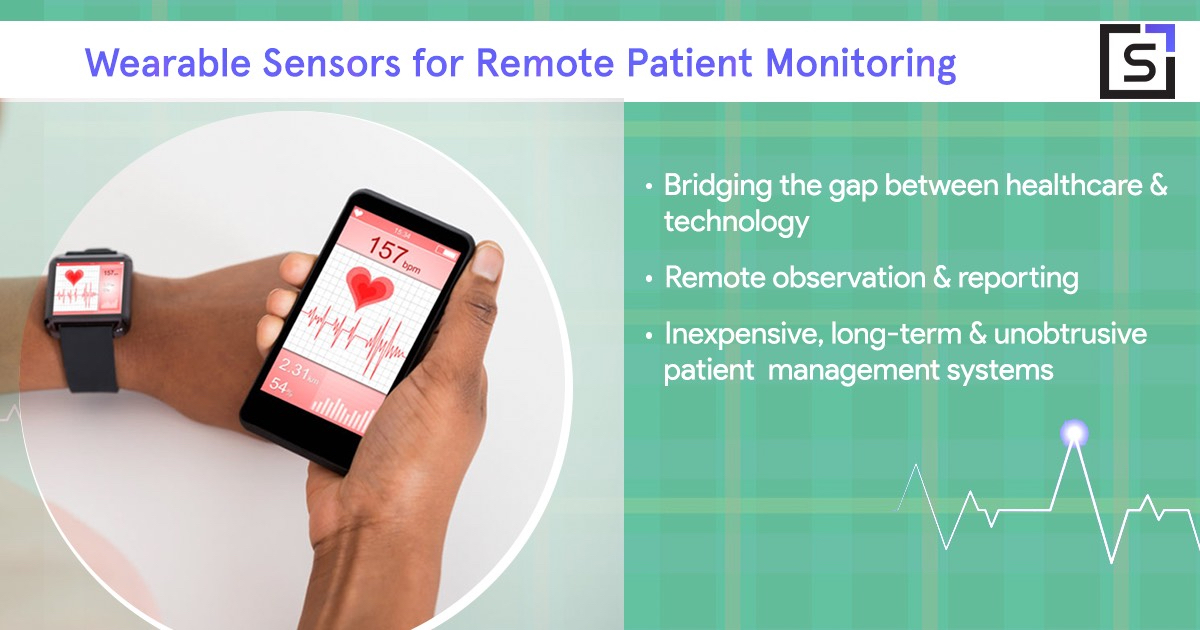
Another key advantage is the ability to receive timely care. Virtual visits can be scheduled quickly, reducing wait times for appointments. This is particularly beneficial for managing chronic conditions such as diabetes, hypertension, and mental health disorders. Telehealth also enables continuous monitoring of patients’ health through wearable devices and mobile apps, allowing for early detection of potential issues.
Telehealth Services and Tools
Several telehealth services and tools are available to support patient care. Virtual visits are one of the most common forms of telehealth, allowing patients to consult with their providers via video calls or phone chats. These visits are suitable for a wide range of conditions, including colds, anxiety, and skin issues. Before a virtual visit, patients may be required to complete online forms and ensure they have the necessary technology.
Web-based or phone-based services also offer medical advice and treatment options. While these services are convenient, they may not always coordinate with a patient’s regular provider. Therefore, it’s essential to maintain communication with your primary care physician to ensure continuity of care.
Remote monitoring technologies, such as blood pressure cuffs and glucose meters, enable providers to track patients’ health data in real-time. These tools are especially useful for managing chronic illnesses and preventing complications. Additionally, personal health apps help patients organize their medical information, track vital signs, and set reminders for medications.
Challenges and Limitations
Despite its many benefits, telehealth is not without its challenges. One of the main concerns is the lack of in-person physical exams, which can limit the accuracy of diagnoses. Providers may miss subtle signs of illness that require a hands-on examination. Moreover, not all patients have equal access to the internet or digital devices, creating a digital divide that could exacerbate health disparities.
Cost is another barrier to widespread adoption. Insurance coverage for telehealth services varies by state and provider, and some patients may find it difficult to afford these services. However, many insurance companies have expanded their coverage for telehealth during the pandemic, and this trend is likely to continue.
Technical issues can also disrupt the telehealth experience. Poor internet connectivity or software glitches may hinder communication between patients and providers. To mitigate this, it’s important to have a backup plan, such as a phone call, in case of technical difficulties.
The Future of Telehealth
As technology continues to evolve, the future of telehealth looks promising. Advances in artificial intelligence, machine learning, and wearable technology are expected to enhance the accuracy and efficiency of remote care. Telehealth may also play a crucial role in addressing global health challenges, such as the ongoing need for accessible and affordable healthcare.
Moreover, telehealth has the potential to improve coordination among healthcare teams, leading to better patient outcomes. By integrating telehealth into traditional healthcare models, providers can create a more seamless and personalized approach to patient care.
Conclusion
Telehealth is revolutionizing the way we think about healthcare. It offers a flexible, convenient, and often more accessible alternative to traditional in-person visits. While there are challenges to overcome, the benefits of telehealth are undeniable. As we move forward, it’s essential to address the barriers to access and ensure that all patients can benefit from this transformative technology. Whether you’re managing a chronic condition, seeking mental health support, or simply looking for a more convenient way to see your doctor, telehealth is here to stay.
Source Code & Aset Tersedia
File konfigurasi & database tutorial ini dapat diunduh langsung secara gratis.


