
The Benefits and Challenges of Cloud Migration: A Comprehensive Guide
In today’s rapidly evolving digital landscape, organizations are increasingly turning to cloud computing as a strategic move to enhance their operational efficiency, reduce costs, and stay competitive. However, the decision to migrate to the cloud is not one to be taken lightly. It requires careful consideration of various factors such as cost, risk, and inconvenience, all while weighing them against the potential benefits. This article explores the key advantages of cloud migration, the different cloud models available, and the challenges that organizations might face along the way.
Key Benefits of Cloud Migration
-
Reduced Costs
One of the most compelling reasons for moving to the cloud is the significant reduction in IT expenses. By outsourcing their IT operations, companies can eliminate the need for maintaining on-premises data centers, purchasing servers, and hiring dedicated IT staff. This shift allows businesses to allocate resources more effectively, focusing on innovation rather than infrastructure management. -
Innovation and Advanced Technologies
Cloud computing provides access to cutting-edge technologies such as generative AI, machine learning, and predictive analytics. These tools enable organizations to develop new products and services quickly, respond to market changes, and maintain a competitive edge. The cloud’s ability to integrate these advanced features makes it an attractive option for forward-thinking businesses. -
Scalability and Flexibility
The cloud offers unparalleled scalability, allowing businesses to easily adjust their computing resources based on demand. Whether it’s handling a surge in customer traffic during a major event or scaling down during slower periods, the cloud’s flexibility ensures that companies can adapt without incurring unnecessary costs. -
Elasticity
Elasticity refers to the cloud’s ability to dynamically adjust resources in real-time to meet fluctuating demands. For example, during peak times like Black Friday or a major concert release, the cloud can automatically scale up to handle increased traffic, ensuring uninterrupted service without overpaying for unused capacity. -
Enhanced Security
Cloud providers invest heavily in security measures, including encryption, access controls, and monitoring tools, to protect their clients’ data. This level of security is often beyond the reach of small and medium-sized businesses (SMBs), which may lack the resources to implement similar protections internally. -
Sustainability
Migrating to the cloud can significantly reduce an organization’s carbon footprint. Cloud providers are increasingly adopting energy-efficient data centers powered by renewable energy sources. According to Accenture, businesses can reduce their carbon emissions by up to 84% when they transition to the cloud. However, this benefit comes with its own set of challenges, as the growing demand for cloud services raises concerns about resource consumption and environmental impact. -
Integration and Collaboration
The cloud facilitates seamless integration between different systems and teams, improving visibility across the enterprise. This enhanced connectivity promotes collaboration among business units, improves customer service, and enables more accurate cost monitoring. -
Compliance Management
As more businesses adopt cloud solutions, compliance with regulations such as GDPR and CCPA becomes critical. Many cloud providers offer preconfigured compliance templates, helping organizations manage data privacy and regulatory requirements effectively. -
Backup and Disaster Recovery
Cloud-based backup and disaster recovery solutions ensure that businesses can quickly recover from unexpected events such as cyberattacks or natural disasters. By storing data in multiple locations, organizations can minimize downtime and protect their critical assets.
Understanding Cloud Models
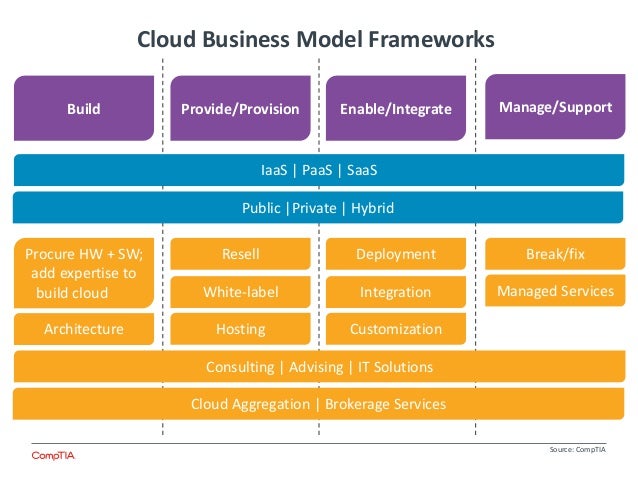
To fully leverage the advantages of cloud computing, organizations must choose the right cloud model based on their specific needs. There are three primary types of cloud models:
-
Public Cloud: In a public cloud, computing resources are shared among multiple organizations. Providers like Amazon Web Services (AWS) and Microsoft Azure offer scalable, pay-per-use models that reduce the burden of maintenance and infrastructure management.
-
Private Cloud: A private cloud is dedicated to a single organization, offering greater control and security. It is ideal for businesses handling sensitive data or requiring strict compliance with industry regulations.
-
Hybrid Cloud: Hybrid clouds combine the benefits of both public and private clouds. This model allows organizations to run predictable internal operations on a private cloud while leveraging the scalability of a public cloud for customer-facing applications.
Challenges of Data Migration
Despite the numerous benefits, migrating to the cloud is not without its challenges. Common issues include data loss, semantic risks, corruption, and interference during the migration process. To mitigate these risks, organizations should use the right migration tools and follow best practices recommended by cloud providers.
In conclusion, the transition to the cloud represents a transformative step for many organizations. While the journey may present obstacles, the long-term benefits—ranging from cost savings to enhanced security and sustainability—make it a worthwhile investment. As businesses continue to navigate the complexities of digital transformation, the cloud will undoubtedly play a pivotal role in shaping their future.
Source Code & Aset Tersedia
File konfigurasi & database tutorial ini dapat diunduh langsung secara gratis.


