
The Ultimate Guide to Beginner-Focused Investment Strategies for Long-Term Wealth
Investing is a powerful tool for building wealth and securing financial independence, yet it can be daunting for beginners who are just starting out. With so many options, strategies, and risks to consider, it’s essential to have a clear understanding of how to navigate the investment landscape. This guide will help you get started with foundational strategies that are suitable for beginners, offering practical advice to set you on the path to financial growth.
Understanding the Basics of Investing
At its core, investing involves putting your money into assets—such as stocks, bonds, or real estate—with the expectation that these assets will grow in value over time, allowing you to generate returns. The primary goal is to make your money work for you, creating additional wealth without active effort. However, all investments carry some level of risk, meaning there’s always the potential to lose money. Understanding your risk tolerance—how much risk you’re comfortable taking on—is a key first step in developing an investment strategy.
Setting Clear Financial Goals
Before you begin investing, it’s essential to set clear financial goals. Ask yourself what you’re investing for: Is it for retirement, a down payment on a house, your child’s education, or simply to grow your wealth? Your goals will influence your investment strategy, including the types of assets you choose and your investment horizon (how long you plan to invest). For example:
- Short-term goals (within the next 3-5 years) might be better suited to safer, more liquid investments like high-yield savings accounts or short-term bonds.
- Long-term goals (10 years or more) can tolerate more risk, making stocks or real estate attractive options.
Diversification: Don’t Put All Your Eggs in One Basket
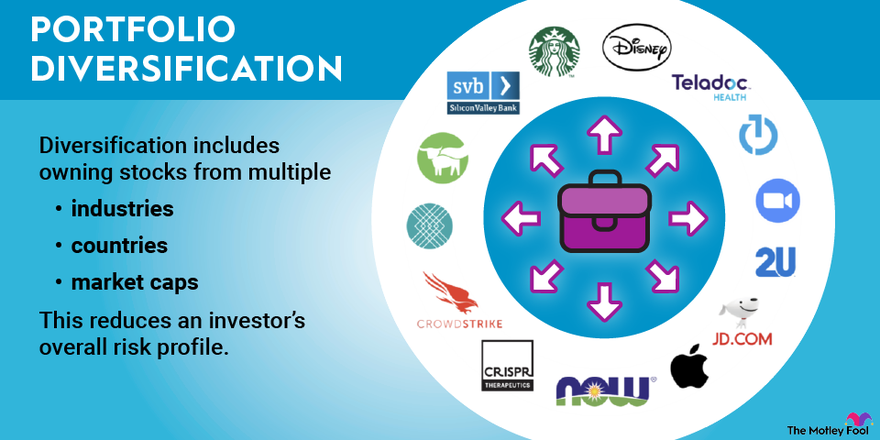
One of the most fundamental principles of investing is diversification. Diversification involves spreading your investments across various asset classes (stocks, bonds, real estate, etc.) to reduce risk. The idea is that different assets often perform differently under the same market conditions; when one investment loses value, another might gain, balancing out your overall portfolio.
For beginners, a diversified portfolio can be achieved through:
- Mutual Funds: Pooled funds that invest in a diversified mix of stocks, bonds, or other securities.
- Exchange-Traded Funds (ETFs): Similar to mutual funds, ETFs hold a diversified portfolio of assets, but they trade on stock exchanges like individual stocks.
By diversifying, you can reduce the impact of a poor-performing investment on your overall portfolio, which is particularly important when you’re just starting out and building confidence.
Start with Low-Cost, Passive Investments
For beginners, low-cost, passive investments like index funds and ETFs are often recommended. These funds track a market index (such as the S&P 500) and require less active management, which keeps costs down. Since they mirror the performance of an entire market, they offer built-in diversification and have historically provided solid returns over the long term.
Passive investing is a strategy that emphasizes buying and holding these types of investments for an extended period, rather than frequently buying and selling in an attempt to beat the market (a practice known as active investing). This approach reduces fees and the risks associated with market timing, making it a great strategy for those new to investing.
The Power of Compound Interest
One of the most compelling reasons to start investing early is the power of compound interest. When you earn interest or dividends on your investments, those earnings can be reinvested to generate even more earnings. Over time, this compounding effect can significantly boost your investment returns.
For example, if you invest $1,000 at an annual return of 7%, it will grow to approximately $1,967 in 10 years. If you leave it invested for 20 years, it would grow to $3,870, demonstrating the exponential growth potential of compound interest.
Develop a Consistent Investment Habit
Consistency is key when it comes to investing. One effective strategy for beginners is dollar-cost averaging, which involves investing a fixed amount of money at regular intervals (such as monthly) regardless of market conditions. This approach helps to mitigate the impact of market volatility and reduces the emotional stress of trying to time the market.
By investing consistently, you’ll buy more shares when prices are low and fewer when prices are high, averaging out the cost of your investments over time. This disciplined approach can be particularly beneficial for beginners who might otherwise be tempted to react impulsively to market swings.
Educate Yourself Continuously
Investing is a journey, not a one-time event. As you gain experience and your financial situation evolves, it’s important to continue educating yourself about different investment strategies, market trends, and financial planning techniques. Books, reputable financial news sources, and online courses can all be valuable resources for expanding your knowledge.
Additionally, consider consulting with a financial advisor, especially if you’re unsure about how to start or how to adjust your strategy as your goals change. A professional can provide personalized advice and help you avoid common pitfalls.
Avoid Common Pitfalls
As you embark on your investment journey, be mindful of common mistakes that can derail your progress:
- Chasing High Returns: It’s tempting to invest in the latest hot stock or trendy investment, but this often leads to taking on more risk than you’re prepared for. Stick to your strategy and avoid the hype.
- Overreacting to Market Fluctuations: The market will go up and down. Panicking during downturns and selling off your investments can lock in losses and hinder your long-term goals. Stay focused on your long-term strategy.
- Neglecting to Rebalance: Over time, your portfolio’s allocation might drift from your original plan due to varying asset performance. Periodically rebalance your portfolio to ensure it aligns with your risk tolerance and goals.
Top 5 Investment Strategies for Beginners
- Buy and Hold: This classic strategy involves buying an investment and holding it indefinitely. Ideal for long-term growth, it focuses on the long-term performance of the underlying business.
- Buy Index Funds: This strategy involves investing in index funds that track popular indices like the S&P 500. It offers diversification and lower costs compared to picking individual stocks.
- Index and a Few: A hybrid strategy where you invest mostly in index funds and add a few small positions in individual stocks you believe in.
- Income Investing: Focuses on investments that produce cash payouts, such as dividend stocks and bonds, providing a steady income stream.
- Dollar-Cost Averaging: Involves investing a fixed amount regularly, regardless of market conditions, to mitigate the risk of market timing.
How to Get Started Investing
Investing is a wide world, and new investors have a lot to learn to get up to speed. The good news is that beginners can make investing relatively simple with a few basic steps while they leave all the complex stuff to the pros. Most major online brokers don’t have a minimum account size, so you can get started quickly.
If you’re hoping to get more personalized guidance from a finance professional, tools like Bankrate’s AdvisorMatch can help connect you with a certified financial planner.
Final Thoughts
Investing can be one of the best decisions you can make for yourself, but getting started can be tough. Simplify the process by picking a popular investment strategy that can work for you and then stick with it. When you become more fully versed in investing, then you can expand your strategies and the types of investments you can make. With patience, discipline, and a solid foundation, you’ll be well on your way to achieving your financial objectives.
Source Code & Aset Tersedia
File konfigurasi & database tutorial ini dapat diunduh langsung secara gratis.


