
Understanding the Cloud: A Comprehensive Guide to Its Benefits and Challenges
Cloud computing has revolutionized the way businesses operate, offering a flexible and scalable solution for managing data, applications, and infrastructure. As organizations continue to embrace digital transformation, understanding the cloud’s role in this shift becomes increasingly important. This article explores what the cloud is, its different models, and the numerous benefits it offers, while also addressing common challenges and solutions in cloud migration.
What Is the Cloud?
Cloud computing refers to the delivery of computing resources, including servers, storage, databases, networking, and software, over the internet. These resources are hosted on remote servers managed by cloud service providers, allowing users to access them from anywhere with an internet connection. Unlike traditional on-premises data centers, where companies must maintain their own hardware and software, the cloud enables businesses to outsource these responsibilities to third-party providers.
This model not only reduces the need for upfront capital investment but also simplifies IT management. Organizations can scale their computing needs up or down based on demand, without the hassle of maintaining physical infrastructure. The cloud also promotes collaboration, as teams can access shared resources and applications from multiple locations, enhancing productivity and efficiency.
Types of Cloud Models
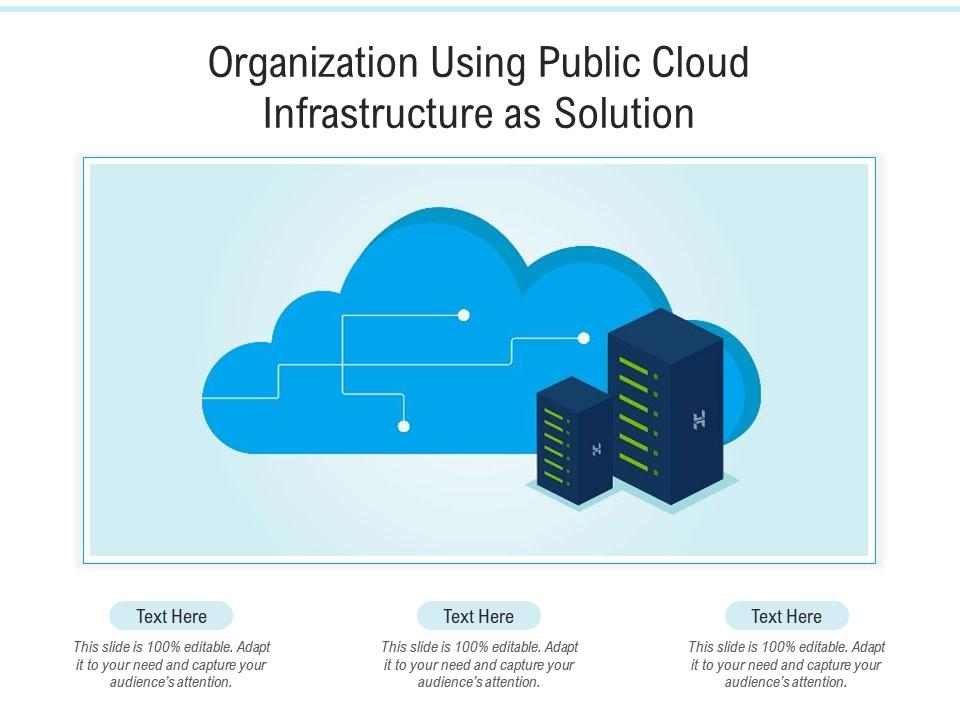
There are three primary types of cloud models: public, private, and hybrid. Each offers distinct advantages and is suited to different business needs.
Public Cloud
A public cloud is a model where the cloud provider offers computing resources over the internet, and multiple organizations share the same infrastructure. This model is cost-effective and scalable, making it ideal for businesses that require flexibility and want to minimize IT overhead. Public clouds typically operate on a pay-per-use basis, with service level agreements (SLAs) ensuring availability, performance, and security. Major providers like Amazon Web Services (AWS), Microsoft Azure, and Google Cloud offer robust public cloud services that cater to a wide range of industries.
Private Cloud
In contrast, a private cloud is dedicated to a single organization, either hosted on-premises or by a third-party provider. This model provides greater control over data and security, making it suitable for businesses handling sensitive information or complying with strict regulatory requirements. While more expensive than public clouds, private clouds offer enhanced customization and performance, which can be crucial for mission-critical applications.
Hybrid Cloud
A hybrid cloud combines elements of both public and private clouds, allowing organizations to leverage the best of both worlds. This model enables businesses to run critical workloads on a private cloud while utilizing the scalability and cost-efficiency of the public cloud for less sensitive operations. Hybrid clouds are particularly useful for organizations that need to balance security, compliance, and agility.
Key Benefits of Cloud Computing
Organizations that adopt cloud computing stand to gain numerous benefits, ranging from cost savings to improved innovation and security.
-
Reduced Costs: By outsourcing IT operations, businesses can eliminate the need for expensive hardware, software, and maintenance. This significantly lowers capital expenditures and ongoing operational costs.
-
Innovation: Cloud platforms provide access to cutting-edge technologies such as artificial intelligence, machine learning, and predictive analytics. These tools enable businesses to develop new products and services quickly, staying ahead of competitors.
-
Scalability and Flexibility: The cloud allows businesses to scale their resources up or down based on demand, ensuring they can handle growth without overprovisioning. This flexibility is especially valuable during peak periods, such as holiday sales or product launches.
-
Elasticity: Cloud elasticity refers to the ability to automatically adjust computing resources in real time. This ensures that businesses can handle sudden increases in traffic or demand without experiencing downtime or unnecessary expenses.
-
Security: Leading cloud providers invest heavily in security measures, including encryption, access controls, and threat detection. These features help protect data from cyber threats and ensure compliance with industry regulations.
-
Sustainability: Migrating to the cloud can reduce energy consumption and carbon footprint, as cloud providers often use energy-efficient data centers powered by renewable energy sources.
-
Integration and Collaboration: Cloud-based systems facilitate seamless integration between different departments and teams, improving communication and collaboration across the organization.
-
Compliance Management: Many cloud providers offer preconfigured compliance templates to help businesses meet regulatory requirements, such as GDPR and CCPA.
-
Backup and Disaster Recovery: Cloud services provide reliable backup and disaster recovery solutions, ensuring that businesses can quickly recover from data loss or system failures.
Challenges in Cloud Migration
While the benefits of cloud computing are substantial, migrating to the cloud can present several challenges. Data loss, data corruption, and interference during migration are common issues that organizations may encounter. Additionally, differences in data measurement units between legacy and new systems can lead to semantic risks.
To mitigate these challenges, businesses should use the right migration tools and follow best practices. This includes planning thoroughly, testing extensively, and working closely with cloud providers to ensure a smooth transition.
Conclusion
The cloud has become an essential component of modern business strategy, offering a powerful platform for innovation, scalability, and cost efficiency. As organizations continue to navigate the complexities of digital transformation, understanding the cloud’s capabilities and challenges is crucial. By leveraging the right tools and strategies, businesses can unlock the full potential of cloud computing and drive long-term success.
Source Code & Aset Tersedia
File konfigurasi & database tutorial ini dapat diunduh langsung secara gratis.


