
Telemedicine Revolutionizes Chronic Disease Management: Enhancing Patient Outcomes and Access to Care
Telemedicine has emerged as a transformative force in the healthcare landscape, particularly in the management of chronic diseases like diabetes. By leveraging digital technologies, telehealth platforms are bridging critical gaps in access, engagement, and outcomes for patients worldwide. This article explores the profound impact of telemedicine on chronic disease care, highlighting its benefits, challenges, and future potential.
The Transformative Power of Telemedicine
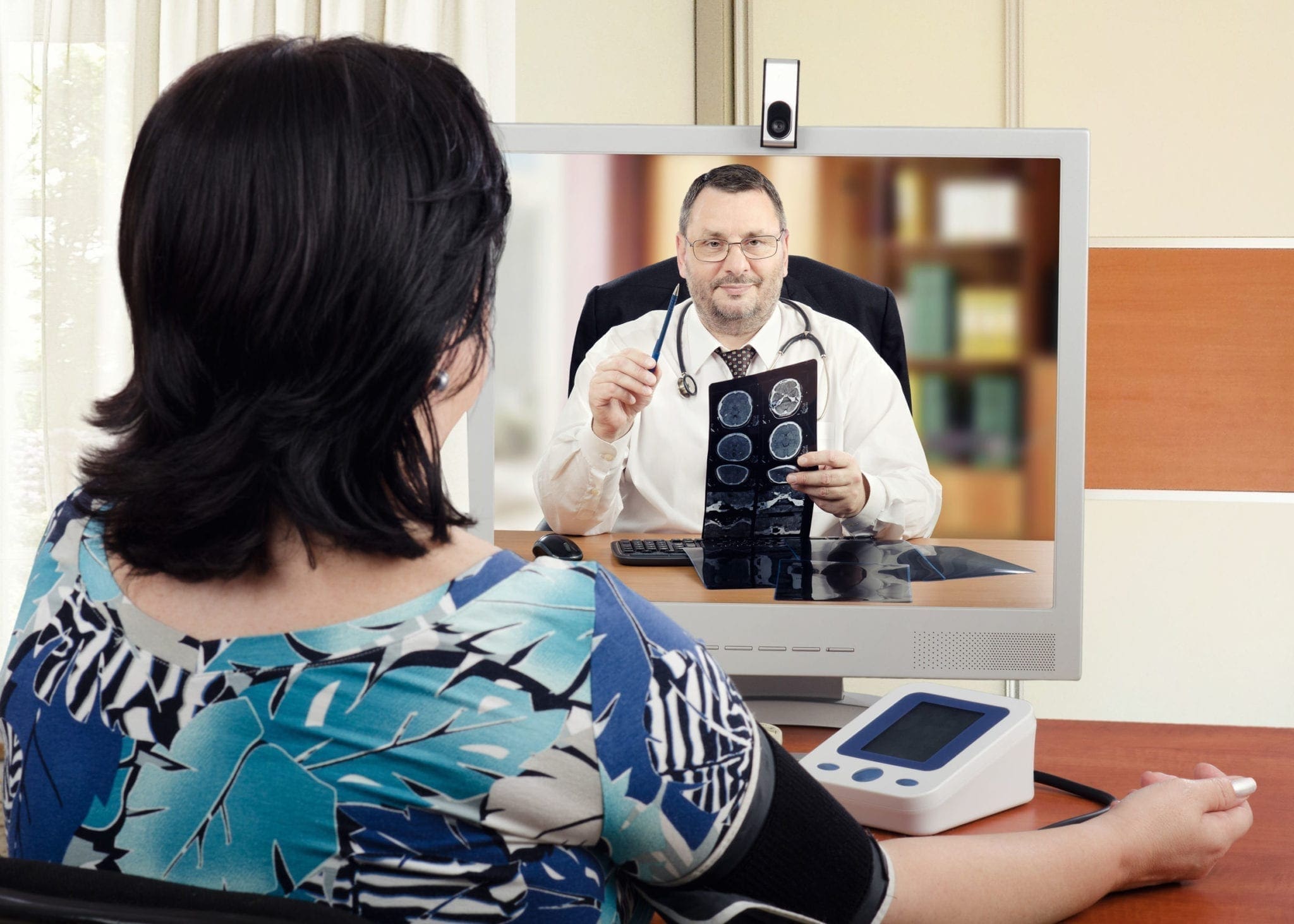
Telemedicine refers to the use of telecommunications and information technology to provide clinical health care from a distance. It encompasses a wide range of services, including video consultations, remote monitoring, and mobile health applications. The integration of these tools into routine medical practice has significantly improved patient outcomes, especially in managing conditions such as diabetes, hypertension, and heart disease.
One of the most notable benefits of telemedicine is its ability to overcome geographical barriers. Patients in rural or underserved areas can now access specialized care without the need for long-distance travel. For instance, telehealth services for diabetes-related foot disease (DFD) have enabled patients in remote regions to receive timely and effective treatment, reducing the risk of complications and amputations. This not only improves patient satisfaction but also enhances the overall quality of care.
Improving Patient Engagement and Clinical Metrics
Studies have consistently shown that telemedicine enhances patient engagement and improves clinical metrics. For example, a retrospective evaluation of telehealth pharmacy services revealed increased pharmacy visits and significant reductions in HbA1c levels among most patients, indicating effective diabetes management through telehealth platforms. Similarly, a prospective observational study involving 186 participants demonstrated significant improvements in patient health and cost savings due to telemedicine interventions, with notable increases in patient satisfaction and accessibility.
In addition to improving clinical outcomes, telemedicine also fosters better communication between patients and healthcare providers. Virtual consultations allow for more frequent check-ins, enabling providers to monitor patients’ conditions closely and make necessary adjustments to their treatment plans. This continuous monitoring is crucial for managing chronic diseases and preventing complications.
Addressing Challenges and Ensuring Equitable Access
Despite its many advantages, the implementation of telemedicine is not without challenges. Data security, patient privacy, and regulatory compliance are paramount concerns that must be addressed to ensure the sustainability of telemedicine services. Additionally, the variability in telemedicine practices and standards across different regions poses a challenge for widespread adoption. There is a pressing need for standardized guidelines and best practices to optimize telemedicine delivery and ensure high-quality care.
Another critical issue is the digital divide, which can exacerbate existing health disparities. Factors such as digital literacy, access to technology, and socioeconomic status play a crucial role in determining the effectiveness of telemedicine services. While telemedicine has the potential to democratize access to healthcare, it risks leaving vulnerable populations behind if technological barriers are not addressed. Therefore, it is essential for policymakers, healthcare providers, and stakeholders to work together to ensure equitable and effective implementation of telemedicine.
The Role of Hybrid Models in Chronic Disease Management
Hybrid models that combine in-person and telehealth services often yield better outcomes than digital-only approaches. A cohort study involving 242,848 Kaiser Permanente patients demonstrated that early exposure to primary care telemedicine (telephone or video) was associated with significantly higher rates of HbA1c measurement and lower HbA1c levels. This study underscored telemedicine’s role in enhancing patient engagement and improving clinical outcomes during the SARS-CoV-2 coronavirus disease (COVID-19) pandemic.
Similarly, a retrospective case-control study focused on type 2 diabetes patients emphasized the efficacy of a hybrid model combining in-clinic consultations with continuous remote monitoring. This approach led to significant improvements in HbA1c levels, particularly among patients with higher baseline levels. Telehealth has proven beneficial in managing diabetes-related foot disease (DFD), which accounts for a substantial portion of global lower-extremity amputations with high post-amputation mortality rates. Rural and Indigenous populations face disproportionate challenges due to limited access to specialized care. At the Royal Adelaide Hospital, a telehealth service utilized real-time video consultations to overcome geographical barriers for Aboriginal and Torres Strait Islander communities. Qualitative findings highlighted reduced travel burdens, improved access to specialists, and enhanced patient reassurance and communication through virtual specialist consultations.
Telemedicine in Mental Health and Other Specialties
Telemedicine has also made significant strides in mental health care. In a study focused on short-term cognitive-behavioral therapy, researchers introduced the Digital Navigator role within a hybrid clinic to enhance patient engagement and satisfaction, as well as digital phenotyping data quality. Results from 83 patients indicated high satisfaction with Digital Navigators, unaffected by demographic factors. Analysis of application engagement and passive data quality among 33 patients further supported the role’s effectiveness, showing positive correlations with patient satisfaction.
In the realm of cancer care, digital healthcare, encompassing telemedicine and telemonitoring, shows promise in addressing challenges posed by increasing head and neck cancer (HNC) cases and healthcare shortages. Multidisciplinary tele-practice models, including speech-language pathology, enhance HNC management. Mobile health interventions aid in physical activity and rehabilitation for cancer survivors. Telecommunication advancements support remote interventions like swallowing exercises, education, and symptom monitoring. Amid the COVID-19 pandemic, home-based remote rehabilitation gains urgency, though optimal strategies remain evolving.
Future Directions and Recommendations
To fully realize the potential of telemedicine, several key recommendations should be considered. Telemedicine models should include both video and phone visits to accommodate diverse patient needs. Continuous evaluation and adaptation are necessary to address disparities in telehealth usage across different age groups, languages, and genders. The role of digital navigators can enhance patient engagement and data quality, and standardizing their role could benefit broader clinical use.
Furthermore, research should focus on exploring the dynamics of in-person components in hybrid treatment models and validating findings in larger cohorts. Telemedicine models should prioritize inclusivity and flexibility, ensuring equitable access to care for all patient populations.
Conclusion
Telemedicine has revolutionized chronic disease management by improving patient outcomes, access to care, and overall satisfaction. Its ability to overcome geographical barriers, enhance patient engagement, and improve clinical metrics makes it an indispensable tool in modern healthcare. However, addressing challenges such as data security, regulatory compliance, and the digital divide is essential to ensure equitable and effective implementation. As the healthcare landscape continues to evolve, telemedicine will play a pivotal role in shaping the future of patient care, offering innovative solutions to meet the diverse needs of patients worldwide.
Source Code & Aset Tersedia
File konfigurasi & database tutorial ini dapat diunduh langsung secara gratis.


